窈窕淑女
100 days to APEC: Shenzhen's green choices applauded_我的网站

一 |
The move was meant to protect the original mangrove forest, according to Bao Daming, Secretary-General of the International Mangrove Center (IMC) Secretariat located in Shenzhen. For Bao, the decision reflects the southern Chinese megacity's approach to balancing urban development with ecological conservation.
That approach was on display during the 2026 APEC Ministerial Meeting on Forestry held in Shenzhen recently. Representatives from 21 economies discussed sustainable forest management, mangrove and blue carbon conservation, urban biodiversity, smart ecological governance and legal forest-products trade. They signed a joint statement setting out directions for deeper regional cooperation.
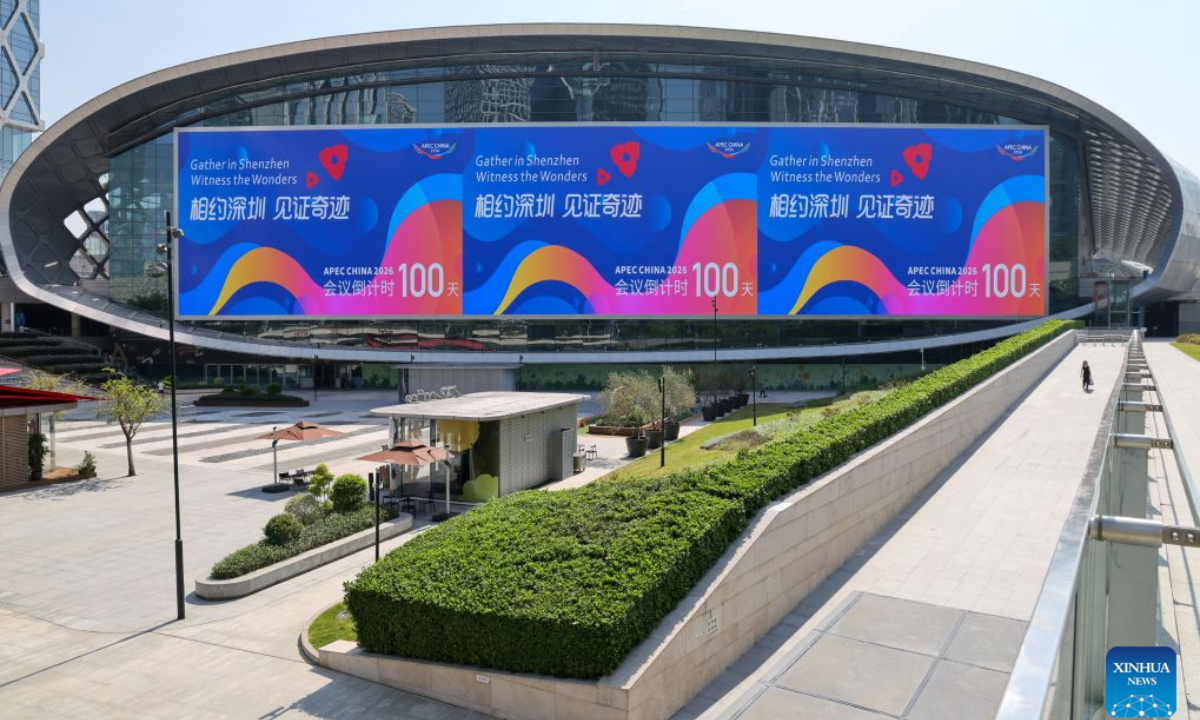
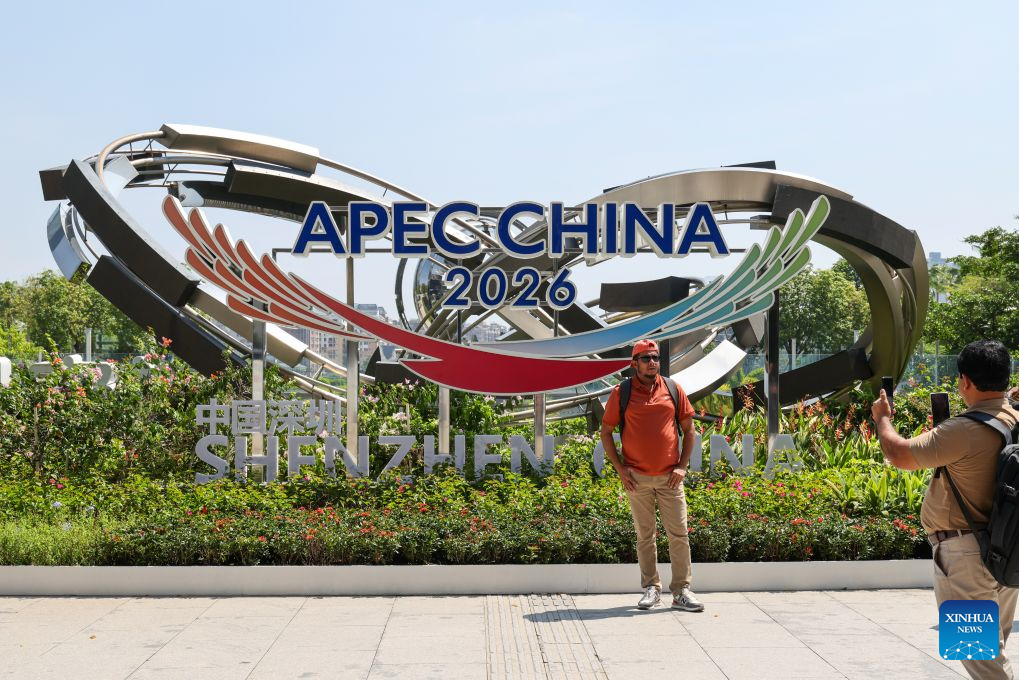
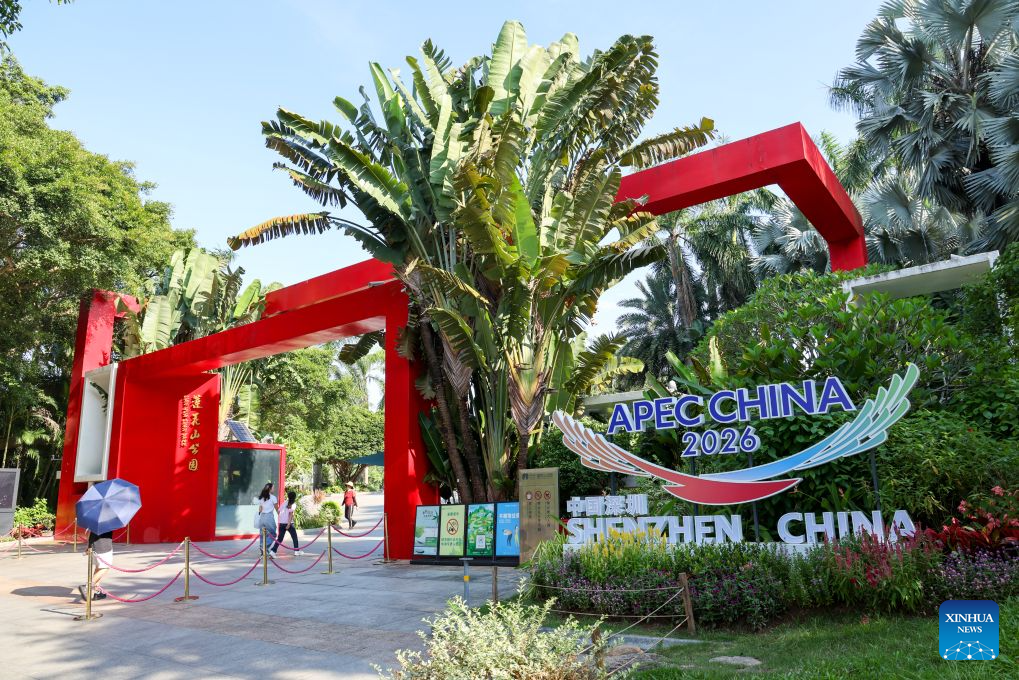
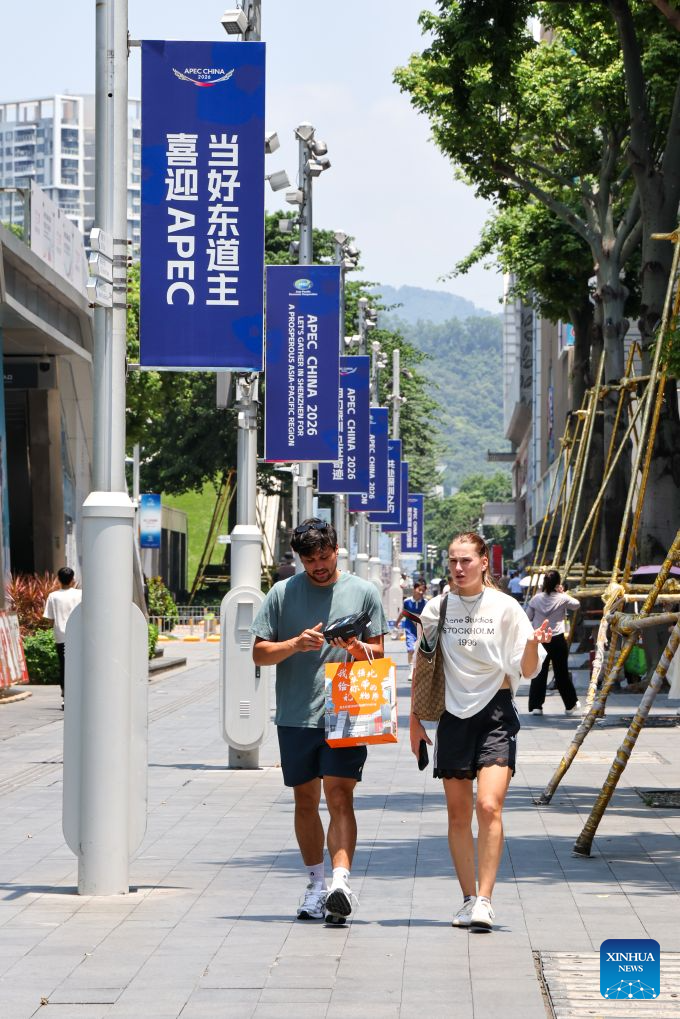
On Monday, Shenzhen marked the 100-day countdown to the 2026 APEC Economic Leaders' Meeting, bringing renewed attention to the host city's ecological practices. As Shenzhen moves toward the meeting, its ecological practices are also being shared and discussed among Asia-Pacific economies.
The city is opening sites involving mangrove protection, river restoration and ecological corridors to visiting forestry officials and technical teams from APEC economies. It is also working through the IMC on joint research into cross-border mangrove restoration and the development of blue carbon standards.
Shenzhen has built a citywide ecological network connecting mountain forests, rivers and coastal wetlands. More than 20 ecological corridors, including the Kunpeng Trail, have helped reconnect fragmented urban habitats, where leopard cats and Eurasian otters have returned. More than 6,870 species have been recorded across the city, including 208 species of nationally protected plants and animals.
In Shenzhen's central urban area, the Futian mangrove nature reserve demonstrates the balance being pursued between the needs of the city and nature. It is a key stopover for migratory birds along the East Asian-Australasian Flyway. There, an AI-enabled smart protection system helps safeguard tens of thousands of migratory birds.
Eduardo Pedrosa, executive director of the APEC Secretariat, said Shenzhen's approach to combining urban development with mangrove conservation could serve as a reference for cities across the Asia-Pacific.
"It's interesting to see how Shenzhen has really developed over the last 20 years," he said. "What we've seen is a lot of towers, skyscrapers, urban development, but it's also a lot of greenery ... of course you have the protected mangrove area as well."
Use of technology is another part of Shenzhen's approach.
Camila Isabel Zepeda Lizama, head of the International Affairs Unit at Mexico's Ministry of Environment and Natural Resources, said she was particularly interested in China's use of information technology, robotics and artificial intelligence to identify suitable sites and support ecological restoration.
"We're very interested in cooperating with China, particularly on mangrove restoration," she said.
Lizama also saw room for cooperation in forest monitoring and blue carbon sequestration, noting the importance of mangroves in climate adaptation and carbon sequestration.
Beyond wetlands, Shenzhen is also pursuing green industrial transformation, developing its digital-energy sector and advancing citywide park development. More than 90 percent of the 310 rivers under monitoring have good or excellent water quality, while technological innovation is being used to support ecological restoration.
A white paper released in Chinese and English on Aug. 3 brought many of these practices together. Titled "A City of Symbiosis: The Shenzhen Practice of Harmonious Coexistence between Humanity and Nature," it outlines four pathways for urban ecological governance and presents 19 representative cases.
Bao said the center plans to share Shenzhen's experience in balancing urban development and ecological protection with its members worldwide.
The road shifted away from Futian's mangroves was one choice made by one city. Yet the discussions in Shenzhen show that balancing urban development with ecological protection, and exploring how technology can support that effort, is a concern shared across the Asia-Pacific region.
。 整理 | 郑丽媛 出品 | CSDN(ID:CSDNnews) 如果一家公司的 CEO 告诉你,一个过去需要 50 名工程师忙活一年才能完成的项目,现在只用了 5 个人、65 天就顺利交付,你第一反应会是什么? 是惊叹 AI 带来的生产力革命,还是替另外 45 名员工捏一把汗? 近日,亚马逊 CEO Andy Jassy 分享的一则内部案例,再次将 AI 与就业的话题推向风口浪尖:他透露,公司最近完成了一项大型内部系统重构——借助 AI,仅靠 5 名员工便完成了原本需要 40~50 人、一年左右才能完成的工作。 可矛盾的是,就在一个月前,亚马逊创始人杰夫·贝索斯(Jeff Bezos)还在法国巴黎举行的 VivaTech 大会上公开表示:AI 不但不会让人类失业,未来甚至可能造成劳动力短缺。

二 | 5 名员工、65 天,完成过去 50 人一年的工作 事情源于 Andy Jassy 在近期的一次公开分享。

三 | 他介绍称,亚马逊内部曾有一个大型系统重构项目,按照过去的经验,这项工作通常需要 40~50 名工程师组成团队,持续约 12 个月才能完成。但这一次,公司组建了一支只有 5 名成员、熟练掌握 AI 工具的团队,最终仅用 65 天便完成了全部交付。 从时间来看,项目周期从一年压缩到了两个多月;从人员规模来看,仅用了过去约十分之一的人力——这并非实验室里的概念验证,而是真实发生在亚马逊内部的生产实践。 但与此同时,一个更加现实的问题也随之浮现:如果过去需要 50 个人,现在只需要 5 个人,那么剩下的人怎么办? 这种担忧并非空穴来风。

四 | 早在今年 1 月,亚马逊就宣布在全球范围内裁减约 1.6 万个岗位。 当时,亚马逊给出的解释是,希望通过组织架构调整实现三个目标: 减少管理层级; 提高团队 Owner 意识和自主决策能力; 精简流程,降低组织内部的官僚主义。 对于美国员工,亚马逊提供了 90 天内部转岗窗口,允许被裁员工申请其他岗位。 在人力资源高级副总裁 Beth Galetti 发布的内部信中,亚马逊甚至没把这定义为一场“AI 裁员”,而强调这只是一次组织优化,并表示,公司仍会继续招聘,并持续投资未来最重要的战略方向。 不过,几乎所有人都知道,亚马逊所谓的这个“未来最重要的战略方向”,其实还是 AI。 AI 投资已进入“烧钱”阶段 事实上,过去一年,亚马逊几乎把全部增长重心押注到了 AI。根据亚马逊最新公布的第一季度财报: AWS 云计算业务收入达到 375.87 亿美元,同比增长 28%; 单季度资本支出高达 442.03 亿美元; 公司预计全年资本支出将达到约 2000 亿美元,创历史新高。 而这些巨额资金,大部分都将用于 AI 基础设施建设,包括数据中心、GPU 集群、自研 Trainium 芯片以及生成式 AI 服务。 对此,资本市场给予积极回应:对于投资者来说,AI 意味着更高的利润率、更低的人力成本以及更快的产品交付速度;但对于普通员工来说,这显然不是什么积极信号。 早在此前接受采访时,Andy Jassy 就已明确表示,随着生成式 AI 的普及,亚马逊未来几年企业内部的白领岗位数量将逐步减少。从企业管理的角度来说,这叫“提高效率”;但对于收到裁员通知的人来说,两者之间基本没什么区别。 贝索斯却说:AI 最终会导致“劳动力短缺” 就在外界不断讨论 AI 是否会抢走工作时,贝索斯却给出了一个截然不同的判断。 今年 6 月 17 日,在巴黎 VivaTech 大会上,有人向贝索斯提问:AI 是否会让人类劳动变得没有价值?贝索斯回应道:“我完全不同意这种观点。事实上,我认为 AI 会导致劳动力短缺。

五 | ” 在他看来,AI 会让开发产品、创业、创新的门槛大幅降低:过去一个创业团队可能需要几十名工程师,而未来,借助 AI,几个人甚至一个人就能完成大量工作。因此,会有越来越多的人尝试创业、开发软件、建立新业务,也可能会催生出今天还不存在的新职业。 因此,他认为未来真正稀缺的,不是工作机会,而是能够抓住这些机会的人。 回顾历史的话,这个逻辑并不陌生:第一次工业革命催生了工厂工人;互联网创造了程序员、电商运营、内容创作者等新职业。每一次技术革命都会淘汰一部分岗位,同时创造新的需求。 所以,贝索斯相信 AI 也会重复这一历史规律。 可问题在于,很多研究机构认为,生成式 AI 与过去的自动化并不完全一样:此前,工业自动化更多替代的是重复性的体力劳动;而如今,大模型开始进入的是软件开发、UI 设计、客户支持、办公文档处理、市场营销甚至内容创作等过去被认为相对安全的知识型岗位。

六 | 国际投行高盛(Goldman Sachs)此前曾估算,AI 目前平均每个月或导致美国约 1.6 万个岗位消失,其中受到冲击最大的,恰恰是年轻人、应届毕业生和初级岗位员工——对此,不少企业近一年的招聘趋势也印证了这一变化:越来越多公司开始减少初级工程师招聘,把更多预算投入 AI 工具和资深人才,希望借助 AI 提高单兵作战能力。 也就是说,AI 并没有完全替代资深工程师,而是首先压缩了培养新人所需的大量基础工作。 真正的矛盾,或许在于“时间差” 围绕 AI 是否会创造更多工作,其实已有不少研究机构给出预测,贝索斯和市场的观点也并非完全矛盾。 例如,市场研究机构 Gartner 就曾预计,从 2028 年开始,AI 创造的新岗位数量有望超过被替代的岗位数量。如果这一预测成真,那么长期来看,AI 的确可能像互联网一样,会带来新的产业和更多就业机会。 可即便贝索斯谈论的是未来几年后的终局,很多普通员工面对的却是眼前的变化:对于一位今天失业的人来说,三年后的新增岗位,并不能解决当下的房租、贷款和生活压力。在 AI 时代下,技能升级、职业转型几乎已成为必修课,但并非每个人都拥有充足的时间、资金和学习资源去完成这场转型。 那么,对于“AI 是否会创造更多工作”这个问题,你又有怎样的回答呢? 参考链接:https://www.ibtimes.co.uk/amazons-ai-revolution-fewer-workers-faster-results-1808628。
Current article:http://6usf.suilaoheirenzhaizhaikang.sbs/aui1/d7c.html
Published on:03:14:04


